Industrial steel weigh hopper mounted on load cells inside a batching plant
Weighed Right. Batched Tight. Built for the Plant Floor.

Weigh Hoppers for Every Batching System

Heavy-duty weigh hoppers for feed mills and grain handlers, concrete and aggregate batch plants, food and ingredient processors, and chemical and plastics compounders. The hopper is the scale at the heart of the batching system, so getting its design and installation right is the difference between a recipe and a guess.

  • Gain-in-weight batch hoppers and loss-in-weight feeders
  • Suspended, floor-mounted and sanitary stainless designs
  • Load cells, mounting assemblies and batching controllers
  • Sizing, discharge and installation practice that protects accuracy

The fundamentals

What a weigh hopper is, and how a vessel becomes a scale

A weigh hopper is a hopper whose entire weight, structure and contents together, rests on load cells. Feed gates or feeders deliver material in from above, the load cells report the rising weight to a batching controller, and when the target is reached the feed cuts off and a discharge gate releases the batch into the process below. The vessel that receives the material is the same vessel that weighs it, which is what makes automated batching of bulk solids practical.

The weighing itself is gross minus tare. The controller zeroes the empty hopper, watches the gross weight climb during filling, and computes the net material weight from the difference. Because each batch returns to a known empty state, the system can check its own zero on every cycle, one of the quiet advantages weigh hoppers hold over weighing material in motion.

Everything else in the design serves one goal: the load cells must see all of the weight and nothing but the weight. Mounting assemblies locate the hopper while letting it press freely on the cells, check rods restrain it against wind, surge and seismic loads without carrying vertical force, and flexible connections isolate it from piping and chutes. When readings go wrong, the cause is almost always something touching the hopper that should not be.

The working rule

Treat the weigh hopper as a floating island. It touches the world through its load cells and nowhere else. Every pipe, chute, conduit and brace that crosses onto the island must arrive slack and flexible, or the island stops being a scale.

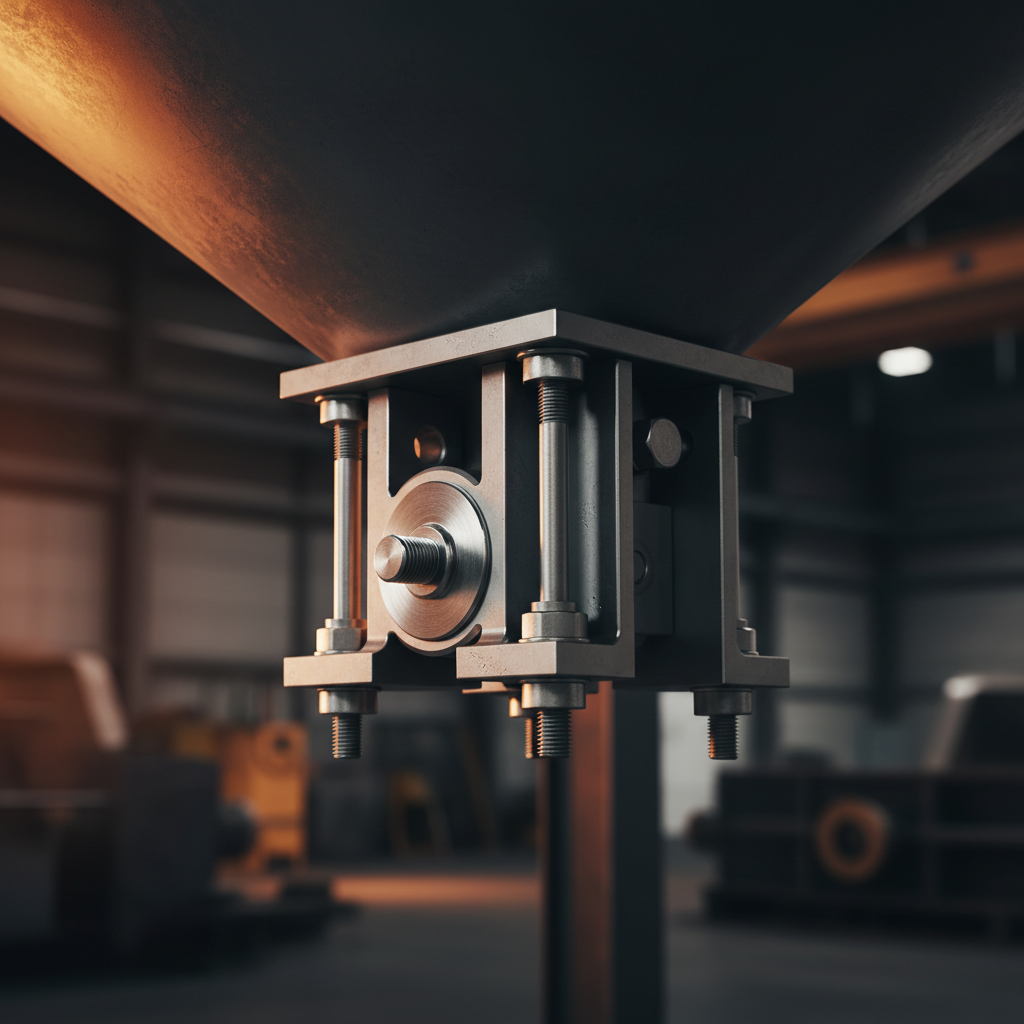
Close-up of a load cell mounting assembly under a steel weigh hopper leg
Load cells
Shear beam or compression cells under the legs, or tension cells for suspended hoppers. They convert the structure's weight into the signal the controller reads.
Mounting assemblies
Locate the hopper, accommodate thermal movement, and protect the cells from side loads and uplift while keeping the vertical path clean.
Discharge gate
Slide, clam shell or butterfly gate that holds the batch during weighing and releases it cleanly, sized so the hopper empties without bridging.
Indicator / controller
Reads the cells, manages tare and targets, drives feeders and gates, and hands batch records to the plant control system.

The families

Types of weigh hopper

Every weigh hopper answers the same three questions differently: is material weighed on the way in or on the way out, how is the vessel carried on its load cells, and what does the material demand of the construction. Those answers define the families below.

Steel batch weigh hopper receiving material from feeders above

Gain-in-weight batch hoppers

The batching workhorse

  • Feeders fill the hopper to a target weight, one ingredient after another, then the whole batch discharges at once. One vessel can weigh an entire recipe.
  • Simple, robust and fast for discrete batches from small mixes to multi-ton loads. Accuracy hinges on feed cutoff and in-flight compensation.
  • The standard heart of feed mill, concrete and mixing-plant batching systems.
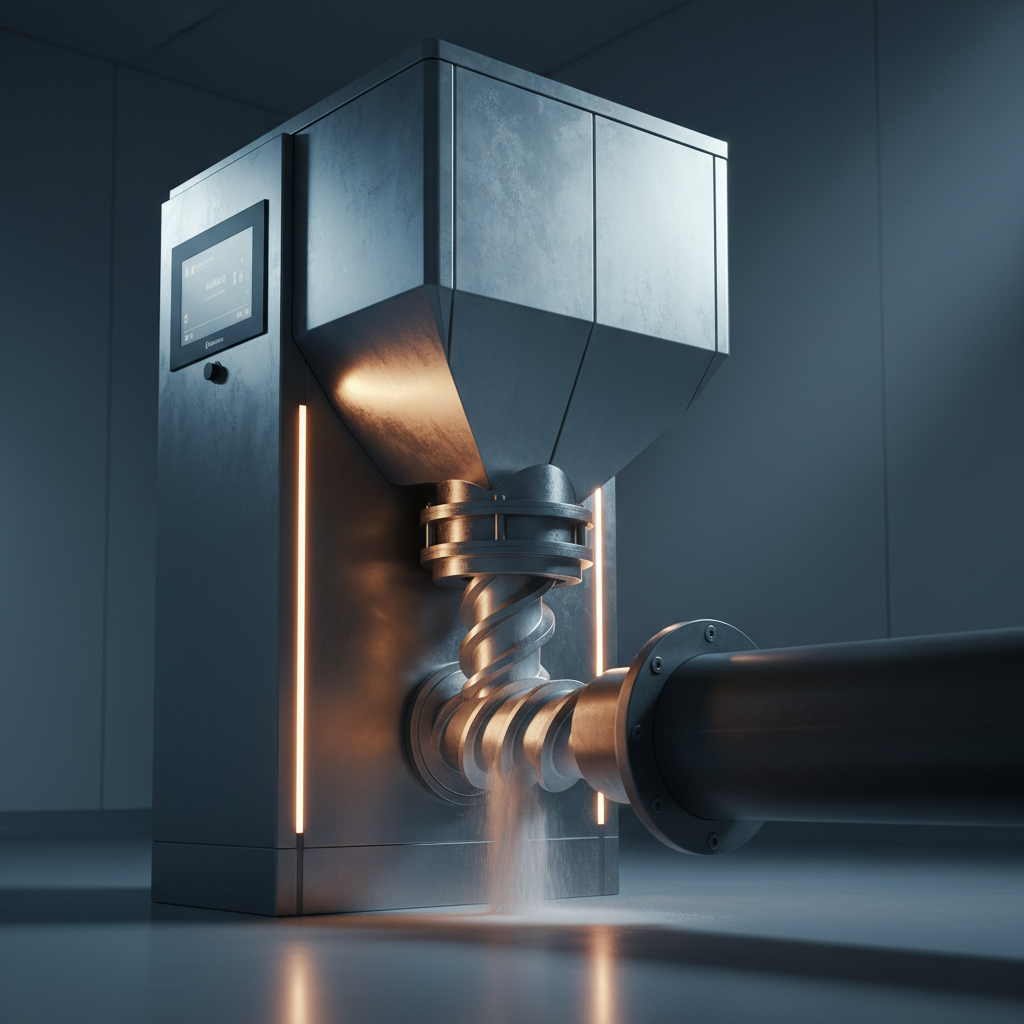
Loss-in-weight feeder hopper metering powder into a process line

Loss-in-weight feed hoppers

Continuous, rate-controlled dosing

  • The controller meters material out of the hopper while watching its weight fall, holding a setpoint in weight per unit time rather than a batch target.
  • Delivers high accuracy on low flow rates and blends of several continuous streams. During refill the system briefly runs on prediction, so refill design matters.
  • The standard for extrusion, continuous mixing, and dosing minor ingredients into a running process.
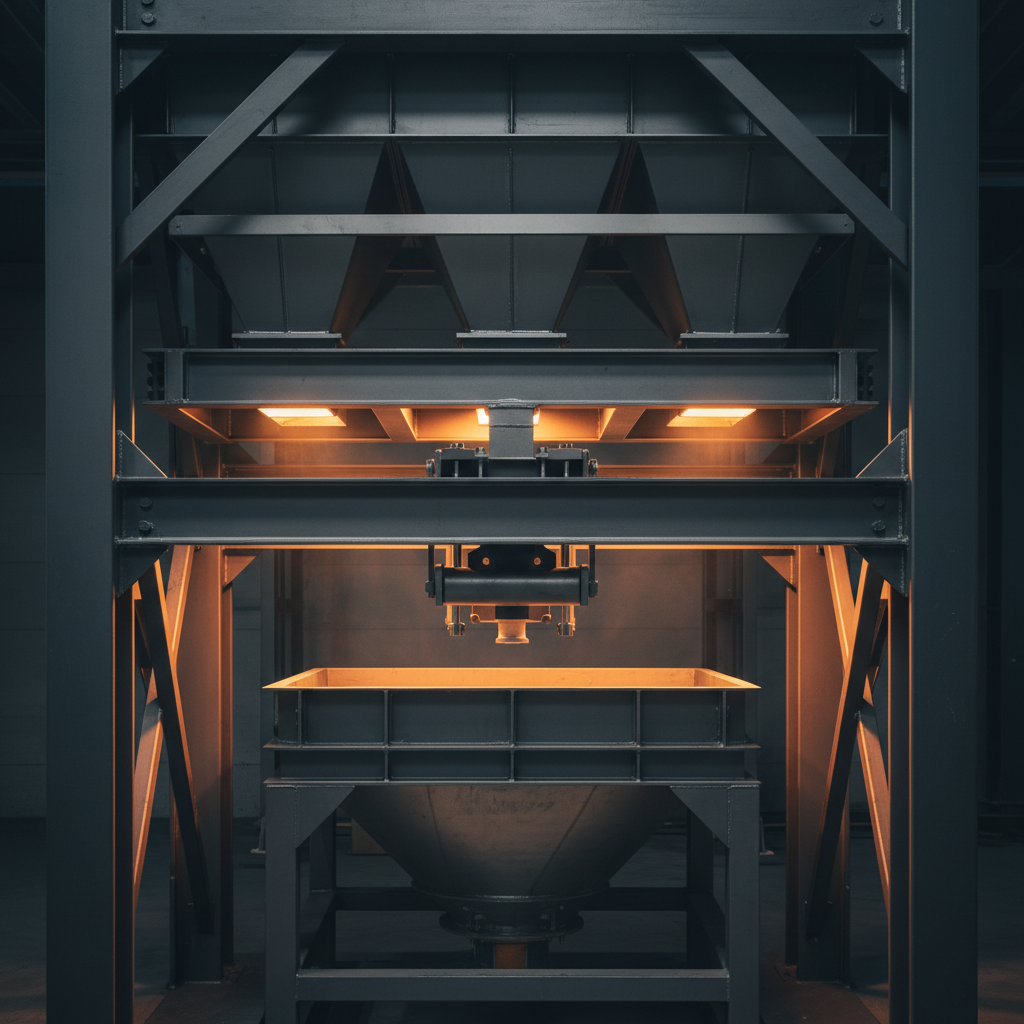
Suspended weigh hopper hanging from tension load cells in a plant structure

Suspended and floor-mounted designs

How the vessel carries its weight

  • Suspended hoppers hang from tension load cells, a clean load path that suits tall structures, grain elevators and retrofits into existing headroom.
  • Floor- and frame-mounted hoppers stand on compression or shear beam cells in mounting assemblies, easier to access and service at grade.
  • The choice is usually made by the building: available steel, headroom, and how material arrives and leaves.
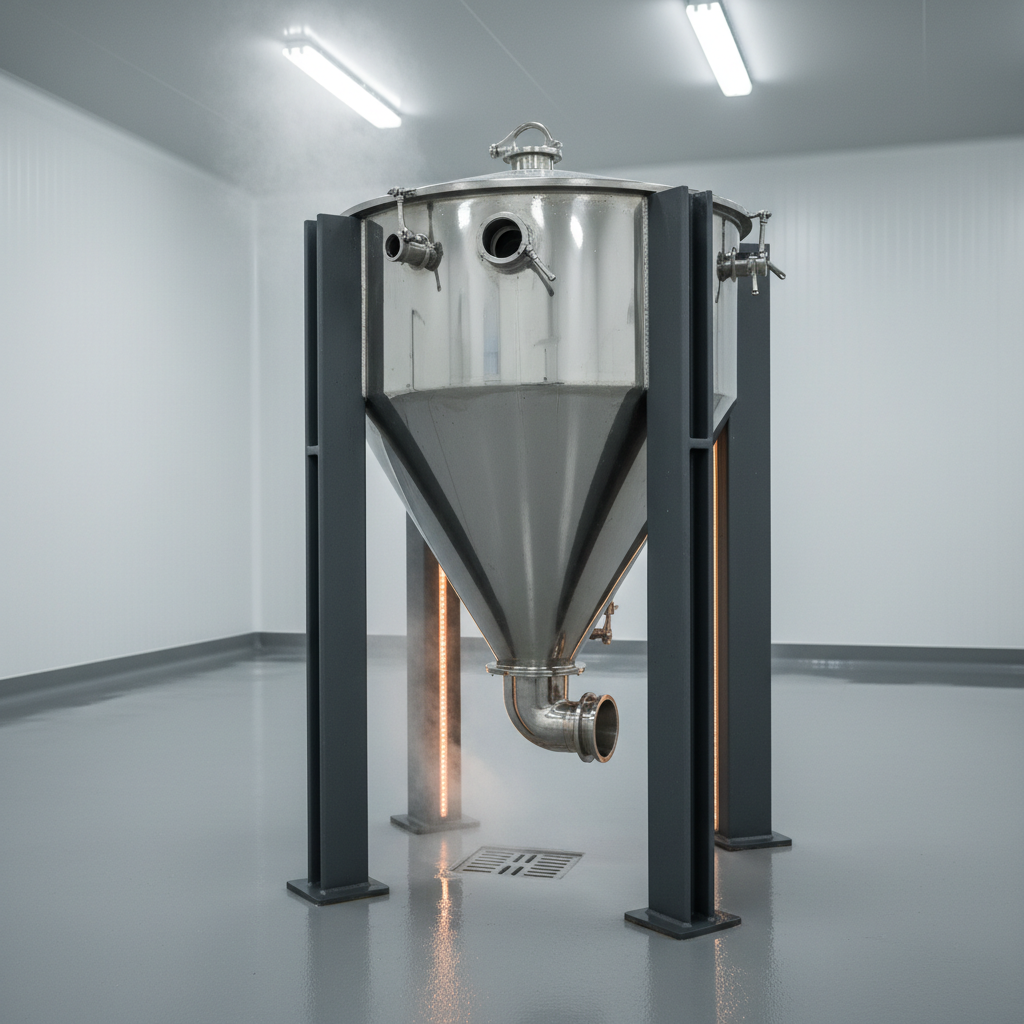
Polished stainless steel sanitary weigh hopper in a food processing plant

Sanitary and food-grade designs

Built to be cleaned

  • 304 or 316 stainless construction with continuous ground welds, polished product contact surfaces and geometry that sheds rather than traps product.
  • Hygienic load cell mounts and washdown-rated instrumentation stand up to daily cleaning chemicals and hose-down.
  • Specified throughout food, dairy, pet food, nutraceutical and pharmaceutical batching.

Weigh hopper, hopper scale, weigh batcher

One idea, several names

The industry uses several names for a vessel that weighs bulk material. Hopper scale usually emphasizes the complete weighing instrument, and is the traditional term for bulk-weighing systems receiving and shipping grain. Weigh batcher is the concrete industry's word for the aggregate and cement weigh hoppers on a batch plant. Weigh hopper is the general term for the weighed vessel inside any batching or dosing system.

The distinctions matter less than the duty. Describe the material, the batch size, the rate and the environment, and any competent supplier will know exactly what is being asked for, whatever the label on the drawing says.

Reading the data sheet

The specifications that actually matter

A weigh hopper quotation carries a page of numbers. A handful decide whether the system batches to recipe for the next twenty years. Here is what each one governs, and the trap that comes with it.

Key weigh hopper specifications, what each one governs, and what to watch for
SpecificationWhat it governsWhat to watch for
Capacity & batch sizeThe live volume and weight the hopper holds, set by batch size and the bulk density of the material.Bulk density varies with moisture, aeration and settling. Size on the lightest condition the material shows up in, or the hopper overflows on exactly the day it matters.
Load cell type & ratingShear beam, compression or tension cells, sized so vessel plus contents plus attachments sit comfortably inside the combined rating.The cells also survive the worst day: surge loads, wind on outdoor hoppers, and the shock of a dropped charge. Safe overload and side-load protection in the mounts are what stand between a bad day and a rebuild.
Resolution & accuracyHow finely the system resolves weight, and the batching tolerance it can hold under real conditions.Accuracy is quoted on the instrument but delivered by the installation. A hopper weighing batches at a few percent of its capacity throws away resolution; size the vessel to the recipe, not the other way around.
Cone angle & flow patternWhether material mass-flows (first in, first out, clean emptying) or funnel-flows (core empties, walls linger) on the way out.Cohesive powders bridge and rat-hole in a cone that free-flowing pellets sail through. The cone angle and outlet size must be chosen for the actual material, and stubborn materials earn vibrators or fluidizers.
Discharge gateSlide, clam shell, butterfly or rotary valve: how the batch is held, released and cut off cleanly.The gate must seal against fines while the batch weighs, open wide enough to empty fast, and close through flowing material without jamming. An undersized or leaking gate quietly corrupts every batch after it.
Materials & finishCarbon steel for aggregates and grain, abrasion-resistant liners for punishing materials, 304/316 stainless with sanitary finish for food and chemical duty.Match the finish to the cleaning regime, not just the material. A hopper washed down daily lives a different life from one that handles dry grain for a decade.
Environment & restraintCheck rods, stay rods and bumpers restraining the hopper against wind, seismic and surge loads without touching the vertical load path.Restraints installed tight are rigid connections in disguise. They should engage only when something pushes the hopper sideways, and stay clear the rest of the time.
Legal-for-trade approvalWhether the installation must carry a weights-and-measures approval such as NTEP certification under Handbook 44 in the US.Required only where the weight sets a price, as in grain receiving or bulk sales. Process batching usually is not, and paying for approval a process hopper does not need buys nothing.

Weigh the recipe, not the room

The best-sized weigh hopper is the one whose normal batch uses a healthy fraction of its capacity. Oversizing feels safe and costs accuracy every single cycle, because resolution and cell rating are spent on capacity the recipe never touches.

The system, not the vessel

A weigh hopper performs as well as its feeders, gates, controller and installation allow. Fast, accurate batching comes from bulk-then-dribble feed, in-flight compensation tuned to the material, and a structure that lets the cells do their job.

Match the hopper to the duty

Choosing the right weigh hopper for the job

Start from the process, not the catalog. Each scenario below names the configuration that usually wins and the reason it wins.

Feed mill batching

Gain-in-weight batch hopper

A weigh hopper under the ingredient bins receives each ration component in sequence, then discharges to the mixer. Capacity follows the largest ration, and micro-ingredients get their own small high-resolution hopper so vitamins and medications are not weighed on a vessel sized for corn.

Concrete batch plants

Aggregate & cement weigh batchers

Separate weigh hoppers for aggregates and for cement, built heavy for abrasion and surge, with clam shell or gate discharge into the truck or central mixer. Cement demands a sealed, vented hopper; aggregates demand structure that shrugs off years of impact.

Food & ingredient systems

Sanitary stainless weigh hopper

Polished 304/316 construction, hygienic load cell mounts and washdown-rated instrumentation. Major ingredients batch gain-in-weight; minor and micro ingredients often justify a dedicated small hopper where a fraction of a percent matters to the recipe.

Continuous compounding

Loss-in-weight feed hoppers

Extrusion and continuous mixing lines meter each stream by loss-in-weight, one refilling hopper per ingredient, blended at the throat of the process. Refill logic and vertical isolation from vibrating equipment decide whether the line holds its blend ratio.

Grain receiving & shipping

Bulk-weighing hopper scale

High-capacity gravity bulk weighing at elevator speed, weighing draft after draft as trucks, railcars or vessels load and unload. Where the weights settle money, the installation carries legal-for-trade approval and the sealing that goes with it.

Retrofitting an existing hopper

Load cell mounting kit

An existing bin or hopper becomes a weigh hopper with load cell mounting assemblies under its supports and flexible connections at every rigid attachment. The vessel is free; the engineering attention goes into the load path and restraints.

If the batches drift, suspect the installation first

Weights that wander with the weather, change when a nearby motor starts, or disagree between fill and discharge point at the installation, not the load cells: a taut flexible connection, a shifted check rod, a blocked vent, or vibration finding its way into the structure. Walk the load path before recalibrating anything.

Batching plant interior with weigh hoppers, conveyors and structural steel

Installation practice

The habits that keep batch weights honest

Keep the load path clean

All of the weight, through the load cells, with nothing shunted around them. Flexible sleeves on every inlet and outlet, slack loops in conduit and cable, and restraints that engage only under side load. This single habit prevents more weighing problems than every other item combined.

Calibrate with real weights, then verify with material

Certified test weights establish the scale; a material substitution test confirms the system batches accurately with product actually flowing. Recheck zero return after discharge on a routine schedule, because a zero that will not come home is the earliest warning the installation gives.

Manage the air, not just the material

Pneumatic filling pressurizes a sealed hopper and leans on the cells like extra weight. Vent adequately, filter the vent so it does not blind shut, and let pressures equalize before the final weight is taken. Dust collection pulls the other way and deserves the same attention.

Tame in-flight material

Whatever is falling between feeder and hopper when the cutoff fires still lands in the batch. Bulk-then-dribble feed shrinks the falling column, and controllers learn the in-flight quantity per ingredient. When targets change or material properties drift, retune rather than chasing the error batch by batch.

Protect the cells from the plant

Isolate the hopper from vibrating equipment, bond around the cells so welding current and lightning have a path that is not through them, and keep moisture out of junction boxes. Load cells rarely die of weighing; they die of everything else the plant does around them.

Where they earn their keep

Applications across industry

The same weigh hopper idea serves four very different plants. What changes is which specifications dominate and how hard the equipment is used.

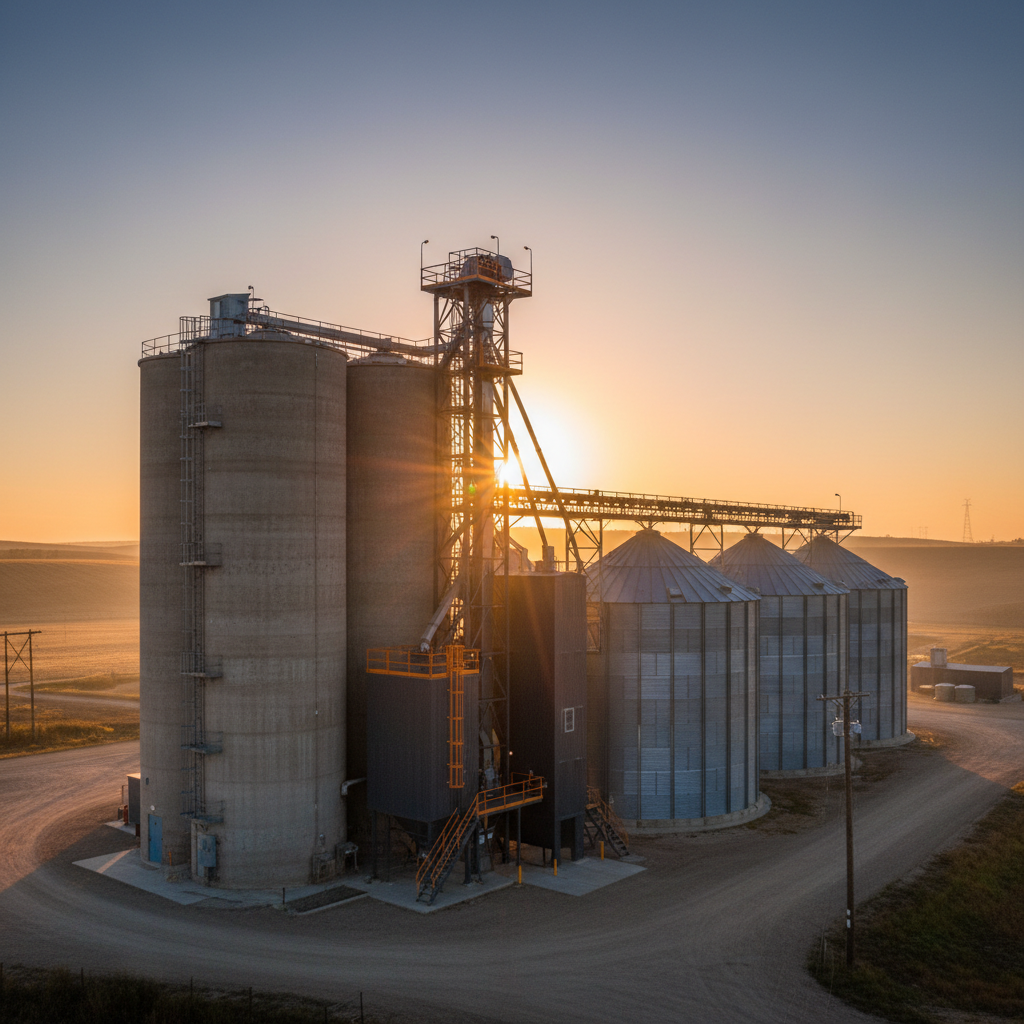
Grain elevator and feed mill structures with storage bins against the sky

Feed mills & grain handling

Ration batching, micro-ingredient dosing, and bulk weighing at receiving and loadout. Duty is relentless and the materials are kind, so the premium goes to capacity, speed and uptime, with legal-for-trade hopper scales wherever grain changes hands over the scale.

Concrete & aggregates

Aggregate, cement and admixture weigh batchers on every batch plant. Abrasion, impact and outdoor exposure set the design agenda: heavy shells, protected cells, sealed vented cement weighing, and structures that hold accuracy through years of surge loading.

Stainless steel processing equipment in a bright food production facility

Food & ingredient processing

Recipe batching where the vessel must be cleaned as often as it is filled. Sanitary stainless construction, hygienic load cell mounts, and dedicated minor-ingredient hoppers keep recipes tight and audits calm across food, dairy, pet food and nutraceutical plants.

Chemical & plastics compounding

Gain-in-weight batching of resins, regrind and additives, and loss-in-weight feeding into extruders and continuous mixers. Blend ratio is the product, so refill design, vibration isolation and per-ingredient accuracy carry the value of everything the line ships.

Common questions

Weigh hopper FAQ

What is a weigh hopper?

A weigh hopper is a hopper or bin mounted on load cells so that the vessel itself becomes a scale. Material is fed in from above, the load cells read the accumulating weight, and a batching controller or weight indicator opens the discharge gate once the target is reached. It is the standard way to weigh bulk solids like grain, feed, aggregates, powders, pellets and granules inside an automated batching or dosing system, because the material is weighed in the same vessel that receives and discharges it.

Is a weigh hopper the same thing as a hopper scale?

The terms overlap heavily and many suppliers use them interchangeably. In practice, 'hopper scale' tends to describe the complete weighing instrument, particularly bulk-weighing installations at grain elevators, while 'weigh hopper' more often names the vessel-on-load-cells inside a larger batching system. 'Weigh batcher' is the common term in concrete production for the same idea applied to aggregate and cement. If a supplier uses one term and you use another, describe the material, batch size and duty and the confusion disappears.

Gain-in-weight or loss-in-weight: which do I need?

Gain-in-weight batching fills the weigh hopper from one or more feeders and stops each feed at its target weight; it is simpler, handles large batches well, and one hopper can weigh several ingredients in sequence. Loss-in-weight feeding meters material out of a refilling hopper while the controller watches the weight fall, which gives continuous, rate-controlled dosing and better accuracy on small flows. Batch processes with discrete recipes usually run gain-in-weight; continuous processes such as extrusion and continuous mixing usually run loss-in-weight.

How many load cells does a weigh hopper need?

Three or four in most designs. Three points of support define a plane, so three load cells make the structure self-determining and are common on round hoppers and suspended designs. Four suit square or rectangular hoppers and structures that want the extra stability, at the cost of needing careful shimming so all four actually share the load. Small hoppers and some suspended designs hang from a single tension load cell. The total capacity must cover the vessel, the live load, and anything attached to the weighed structure.

Why do flexible connections matter so much?

Every rigid connection to a weigh hopper is a bypass around the load cells. A hard-piped inlet, a bolted discharge chute or a stiff electrical conduit carries part of the load, and that part never reaches the scale, shifting with temperature and vibration so it cannot even be calibrated out. Inlets and outlets need flexible sleeves or sock connections with some slack, and everything attached to the weighed structure has to move freely with it. A surprising share of 'inaccurate hopper' service calls end at a rigid connection.

What accuracy can a weigh hopper achieve?

A properly designed, installed and calibrated weigh hopper resolves small fractions of one percent of its capacity, and batching accuracy is usually limited less by the load cells than by the installation and the feed cutoff. In-flight material still falling when the feeder stops, vibration from nearby equipment, air pressure differentials during pneumatic filling, and rigid connections each introduce more error than the instrumentation. Sizing the hopper so batches use a healthy fraction of capacity, and using dribble feed at the end of each fill, protects accuracy more than chasing spec-sheet numbers.

Can an existing hopper be converted into a weigh hopper?

Often, yes. Load cell mounting assemblies are made for exactly this retrofit: the hopper is lifted, mounts are fitted between its legs or lugs and the supporting structure, and flexible connections replace rigid ones at the inlet and discharge. The structural questions deserve engineering attention, since the supports must take the full load through the cells without binding, and the hopper's condition, symmetry and attachments all affect the result. A retrofit is most attractive when the vessel is large, custom, or expensive to replace.

What causes unstable or drifting weight readings?

The usual suspects, roughly in order: rigid or taut connections shunting load around the cells; vibration from nearby motors, screens or mixers; air currents or pressure differentials, especially during pneumatic conveying into a sealed hopper without adequate venting; material bridging or rat-holing so the discharge does not empty cleanly; moisture or damage in load cell cabling; and temperature swings across an outdoor installation. A stable reading that returns to a repeatable zero after discharge is the sign of a healthy installation.

Do weigh hoppers need to be legal for trade?

Only when the weight determines what someone pays or is paid, as in buying grain across a scale or selling bulk material by weight. Those installations need a certified, sealed system that meets the legal metrology requirements where it operates, such as NTEP certification and Handbook 44 requirements in the United States. Internal process batching, in contrast, answers to your recipe tolerances rather than to weights-and-measures law, which is why most in-plant weigh hoppers are specified for process accuracy instead of trade approval.

What are food-grade weigh hoppers made from?

Almost always 304 or 316 stainless steel, with 316 chosen where salt, acids or aggressive cleaning chemicals are involved. Sanitary designs go beyond material choice: continuous welds ground smooth, polished contact surfaces, sloped ledges that shed product, quick-release access for cleaning, and load cell mounts arranged so washdown water drains rather than pools. For dairy, meat and similar duties the design should follow recognized sanitary equipment standards, and hygienic load cell assemblies in stainless housings are the norm.

Get a Quote

Tell us about the batching job

Send the basics and we will point you in the right direction: the material and its bulk density, batch sizes and rates, how material arrives and discharges, and whether the duty is washdown, outdoor or legal-for-trade.

Specifying a weigh hopper

Working out capacity, load cells, discharge and construction for the material and recipe you actually run.

Batching system fit

Confirming how a weigh hopper integrates with feeders, gates, controllers and the plant control system.

Retrofits & upgrades

Putting an existing hopper on load cells, or bringing an aging weigh hopper back to accurate, reliable service.

We use what you submit to respond to your enquiry, which can include sharing it with suppliers who can quote your request. See our privacy notice.